
Supernova 1054: A Fable of the Crab Nebula

A fable. The people in it are imagined. The star was real.
The Guest Arrives at Dawn
China, summer, 1054. An old fisherman pushes his boat out as dawn turns the sky from indigo to rose.
Beside a star called the Celestial Gate, a new light is burning, as bright as Venus.
Stars vanish when the sun comes up. This one does not.
“A guest star,” says the fisherman. “It comes. It stays a while. Then it leaves.”
Where It Stands

He does not guess what it means. He holds up his oar, lines its tip up with the guest and the Celestial Gate, and writes down where it stands.
“What it means may change. Where it stands will not.”
the fisherman
The Emperor’s Question
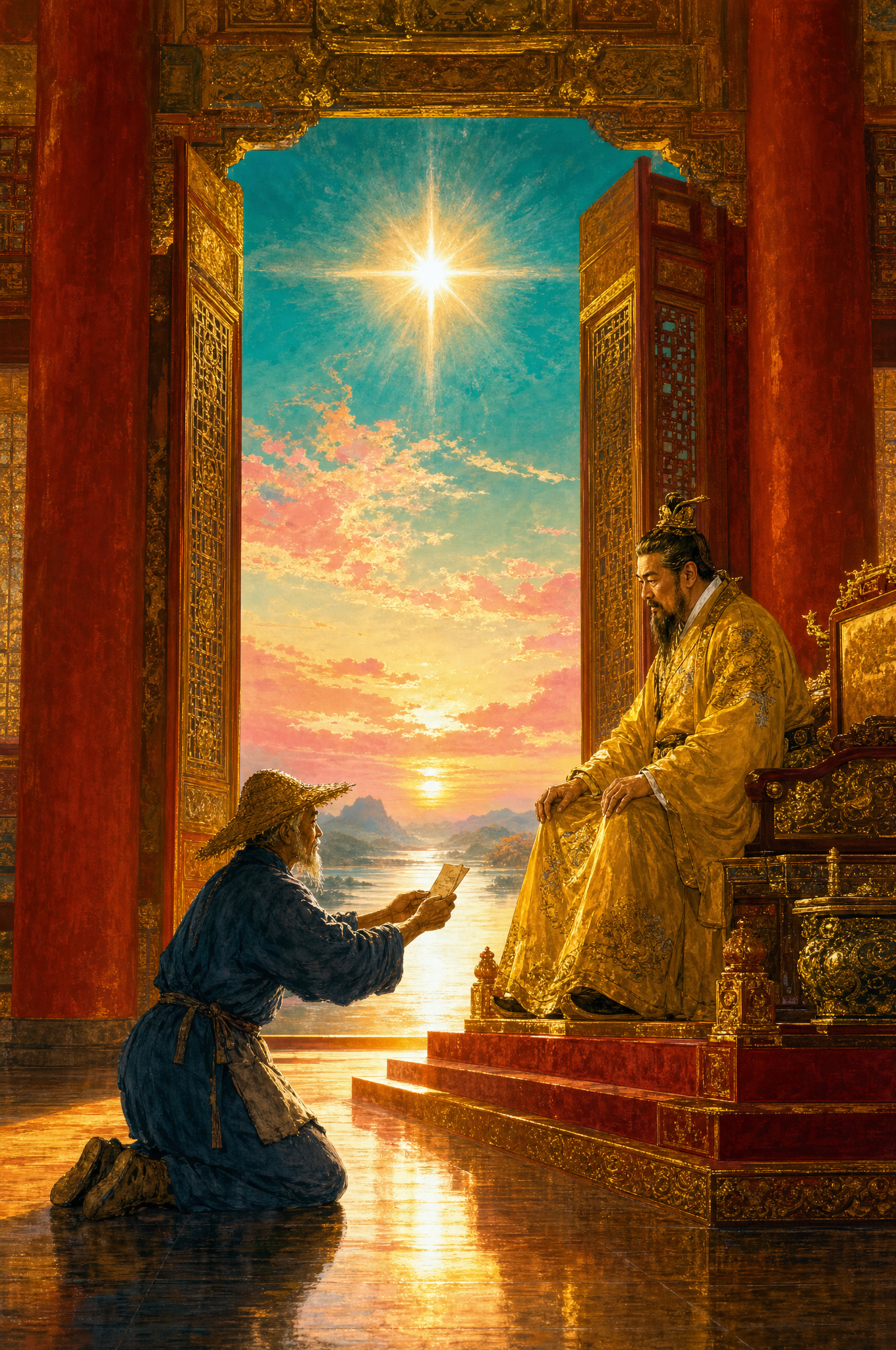
Word reaches the palace, and the fisherman is brought before the emperor.
“Is it a warning?” the emperor asks.
In the old books, a guest that crosses into the Net, a nearby group of stars, brings trouble. The fisherman knows nets. This guest has kept outside it, and its light is full.
Others Who Saw the Guest
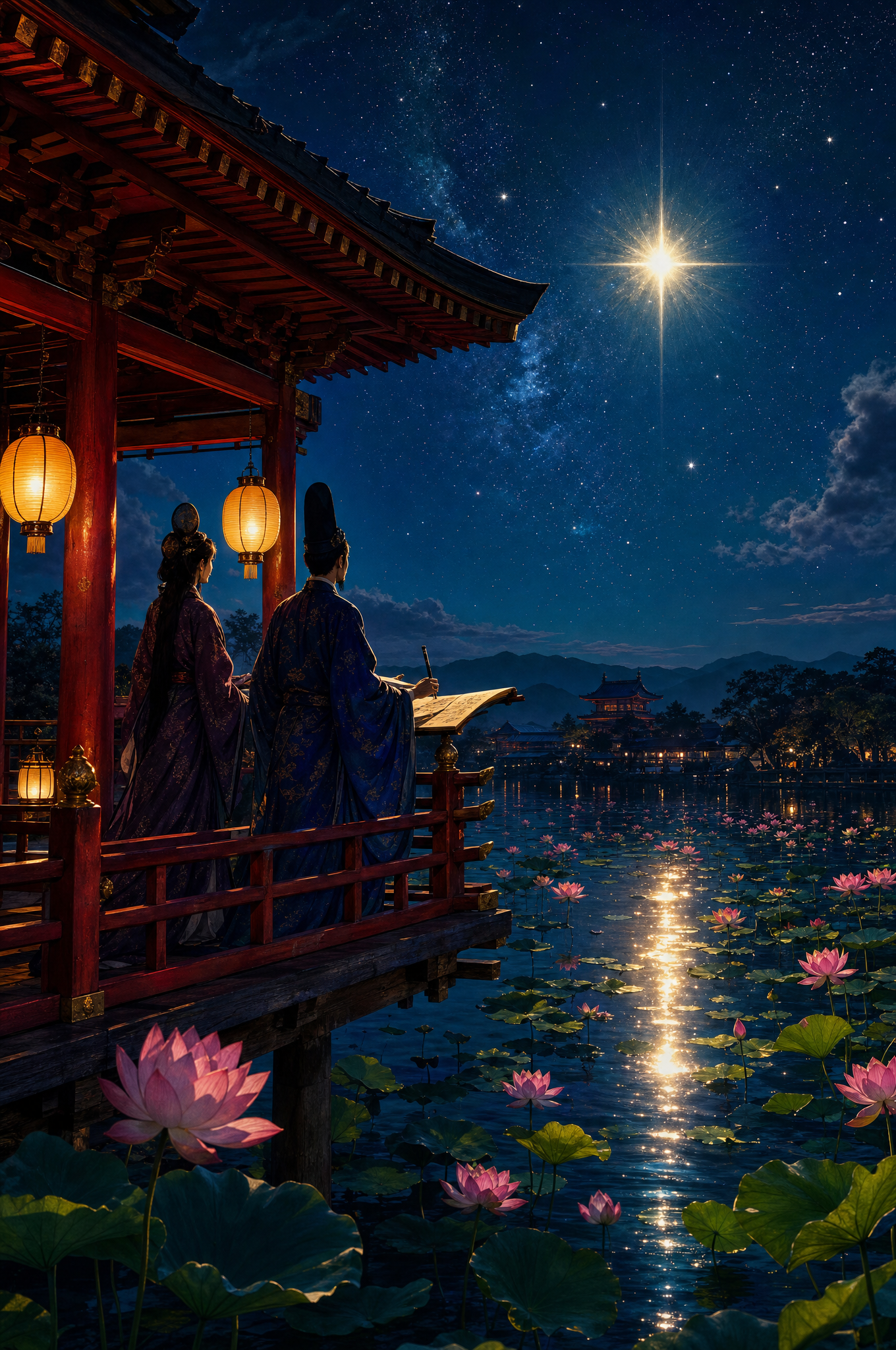
Across the sea, sky-watchers in Japan see the same guest over a palace pond.
“As bright as Jupiter,” they write.
The Guest Departs
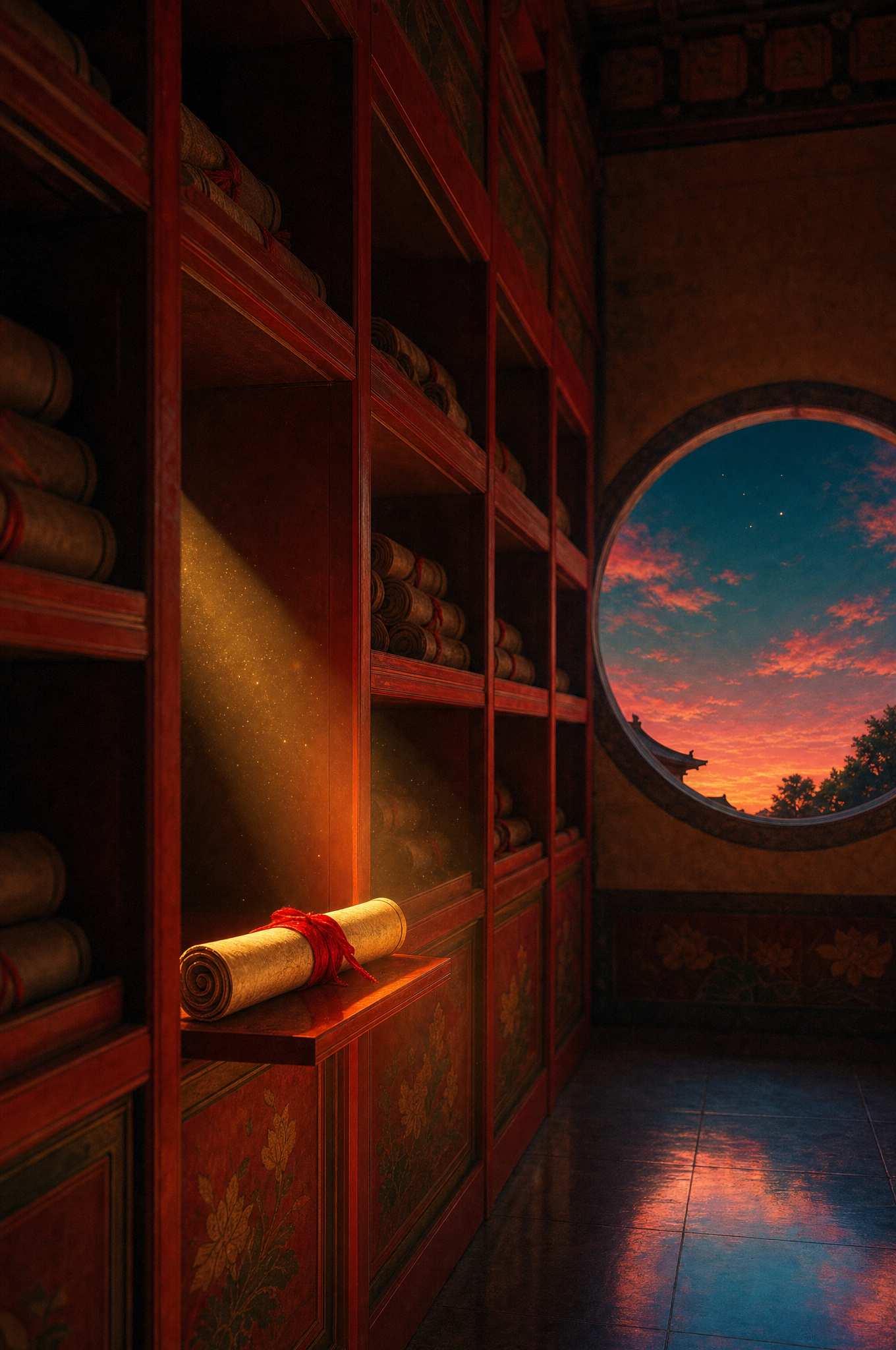
Two years later, the guest is gone.
The fisherman’s note is rolled up, tied with red silk and put on a palace shelf.
The note waited.
A Cloud Shaped Like a Crab
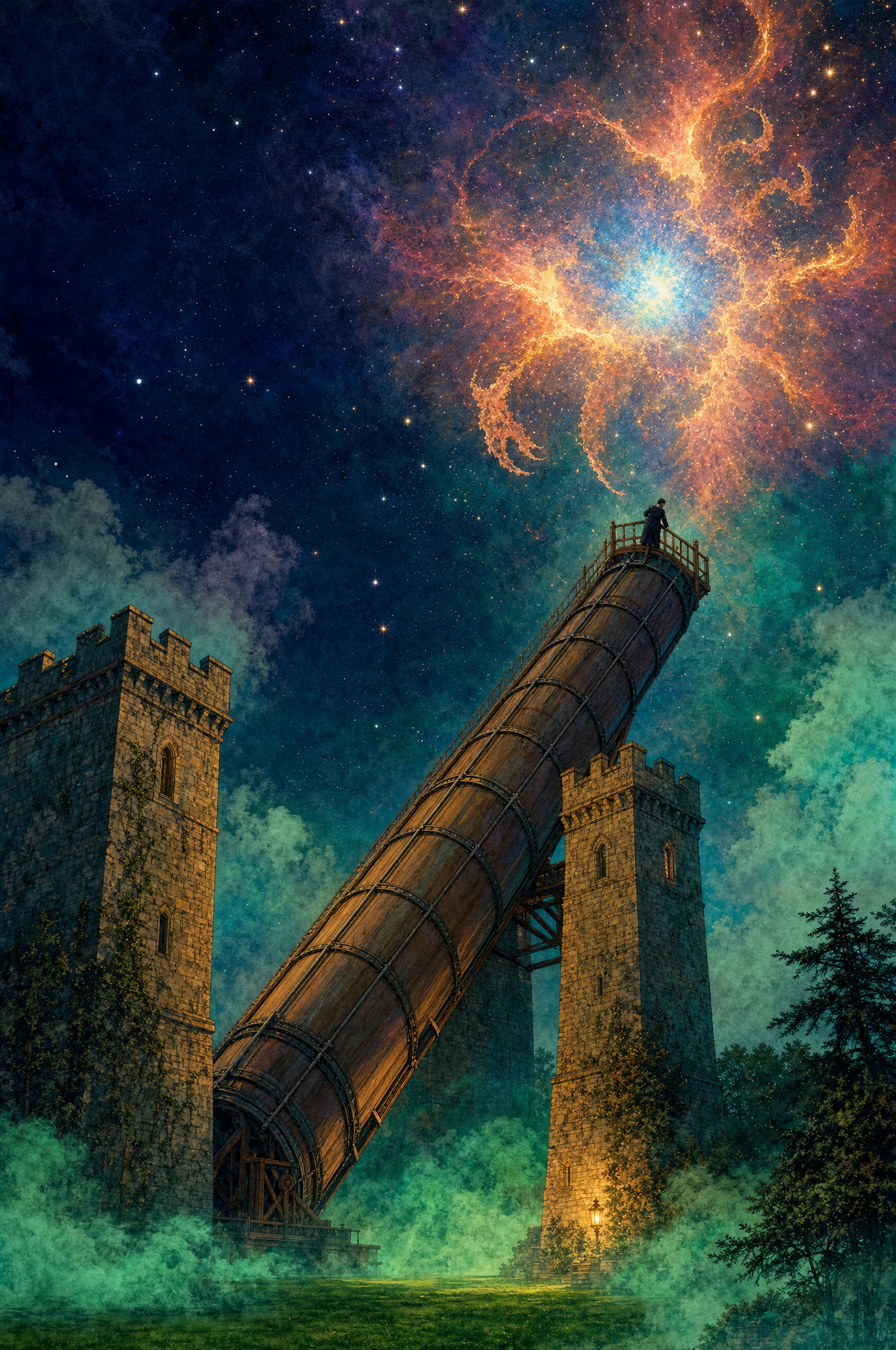
Almost eight hundred years later, in Ireland, Lord Rosse points a giant telescope at that same patch of sky.
There he finds a cloud of light with long arms, like a crab. The name sticks: the Crab Nebula.
The Note Is Opened
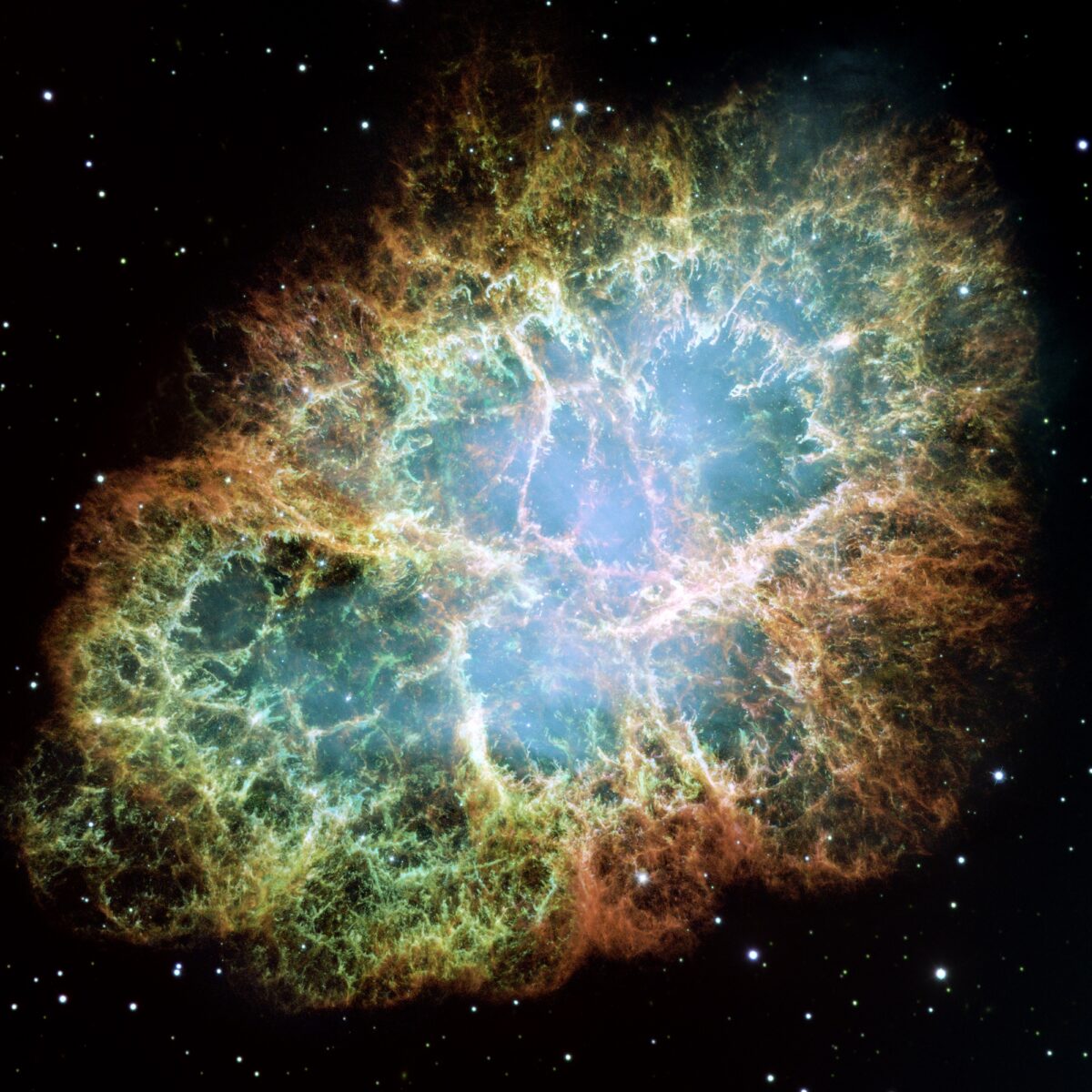
In 1942, a scholar lays the old notes from China and Japan side by side. The guest had stood close to where the Crab is now.
So the guest was a supernova, a star blowing itself apart, and the Crab is what it left behind. Its crushed heart still spins, 30 times a second.
Still Watching

The fisherman’s note is still here.
People have always read messages in the sky. Now one arrives every morning, written just for you.


Behind the Fable
The fisherman, the emperor and their words are imagined. The star, its dates and the omen reading are real: they come from the official history of the Song dynasty and a report to the throne by the court astronomer Yang Weide.12 The Japanese sightings survive in the diary of the poet Fujiwara no Teika.3 Astronomers first suspected the Crab was the guest’s remains in the 1920s; the match was accepted once the old records were gathered in 1942, and the spinning core was found in 1968.14
Sources
- F. Richard Stephenson and David A. Green, The Historical Supernovae (2003). ↩
- Wikipedia, SN 1054, and the translations and scholarship it cites. ↩
- Kyoto University, Meigetsuki and the Latest Images of Our Universe (2014). ↩
- NASA Science, Messier 1 (The Crab Nebula), Hubble Messier Catalog. ↩